
Metabolomics & Lipidomics
Metabolomics is used to study the metabolites presents in a biological system, while Lipidomics focuses on the complete lipid profile within cells, tissues, or organisms, providing insights into lipid-related functions and metabolic pathways.
Metabolomics & Lipidomics
Metabolomics is used to study the metabolites presents in a biological system, while Lipidomics focuses on the complete lipid profile within cells, tissues, or organisms, providing insights into lipid-related functions and metabolic pathways
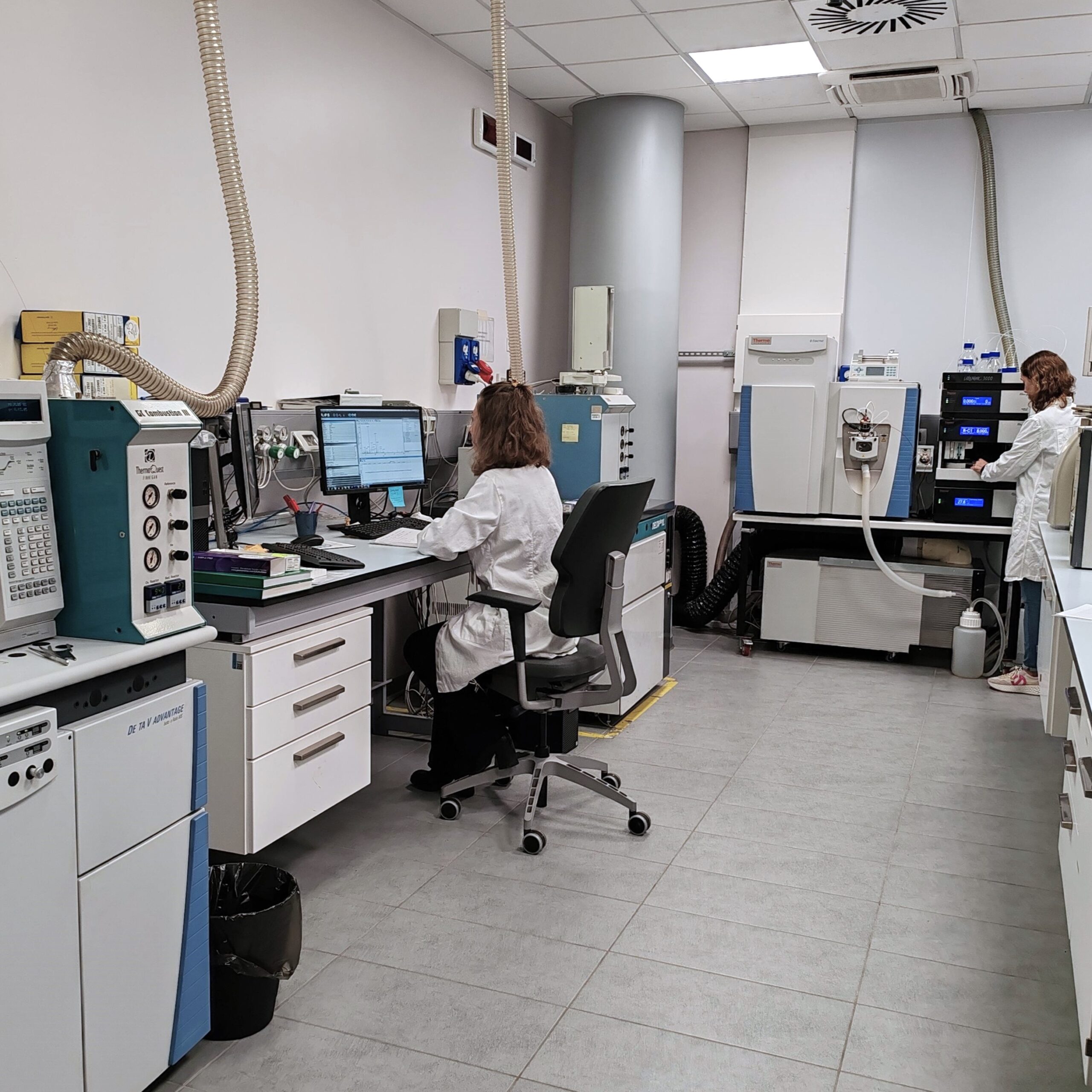
Facility managers Dr. Giuseppe Giordano, Dr. Manuela Simonato
Metabolomics provides a functional readout of the cell’s biochemistry. It holds great potential to link the observed differences in the phenotype to the underlying biochemical and molecular mechanisms. The Metabolomics and Lipidomics IRP facility consists of a platform sites, provide by a mass spectrometry (MS) based metabolomic services and offer customized solutions for specific experimental setup. The site in IRP is part of the SDB Department Center for Human Metabolomics and Lipidomics and specializes in primary metabolism. By constructing a unique in house library with over 500 metabolites and over 120.000 from public web data bases of primary and secondary metabolites, the team developed a high throughput pipeline for comparative metabolic and lipidomics profiling. The introduction of Ion Mobility Mass Spectrometry and the use of advanced data processing software (including sophisticated data analysis) ensures a straightforward and high quality data output. The site also holds unique expertise in tracer (13C, 2H, etc.) based metabolomics and Lipidomics (target analysis). This technology provides crucial insights into the activity of metabolic pathways by administration of non-radioactive isotopically labeled substrates to the medium (in vitro) or organism (in vivo). The main lines of our research are: development of projection to latent structures regression (PLS) able to explicitly include experimental design, development of new approaches to discover relevant and irrelevant features in PLS models, development of procedures to estimate the power of the PLS models and implementation of the developed procedures using the R platform. Moreover, our team supports users in the design of new experiments and offers a full service for data analysis.
Two laboratories are operational at the IRP: the Mass Spectrometry and Metabolomics Laboratory
(Dr. G. Giordano) and the Pediatric Critical Care Laboratory (Prof. P. Cogo).
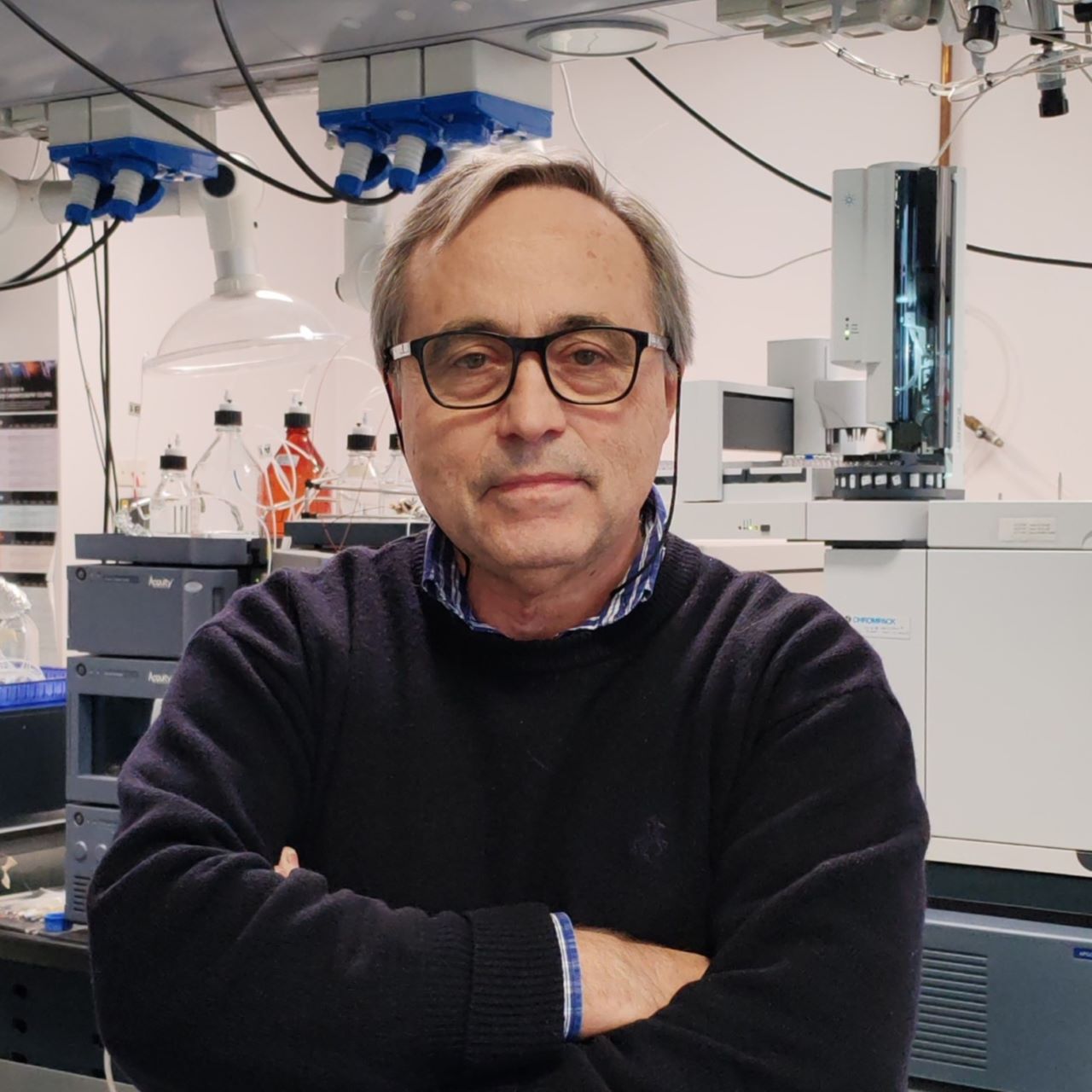
Dr. Giuseppe Giordano
Scopus ID 7202918601
Dr. G. Giordano is Head of the Mass Spectrometry and Metabolomics Unit at the Pediatric Research Institute, Fondazione Città della Speranza – University of Padua. He holds a degree in Biological Sciences, a PhD in Developmental Sciences, and a specialization in Clinical Pathology and Clinical Biochemistry, with international training as a post-doctoral fellow and Research Scientist at Yale University (1989–1993).
From 2006 to 2010, he served as National Expert at the Joint Research Center of the European Commission, contributing to the development of metabolomics laboratories in LC-MS and NMR.
His research focuses on metabolomic approaches and the biochemical diagnosis of inborn errors of metabolism, with particular expertise in acylcarnitine and amino acid profiling, post-mortem diagnosis of fatty acid oxidation disorders, and the study of lipid turnover and oxidative stress using isotopic tracers. He was a founding and board member of national and international scientific societies (SIMMESN, IMaSS, Metabolomics Society) and has organized international workshops on metabolomics and pediatric diseases.
He is actively involved in collaborative research projects, contributing.
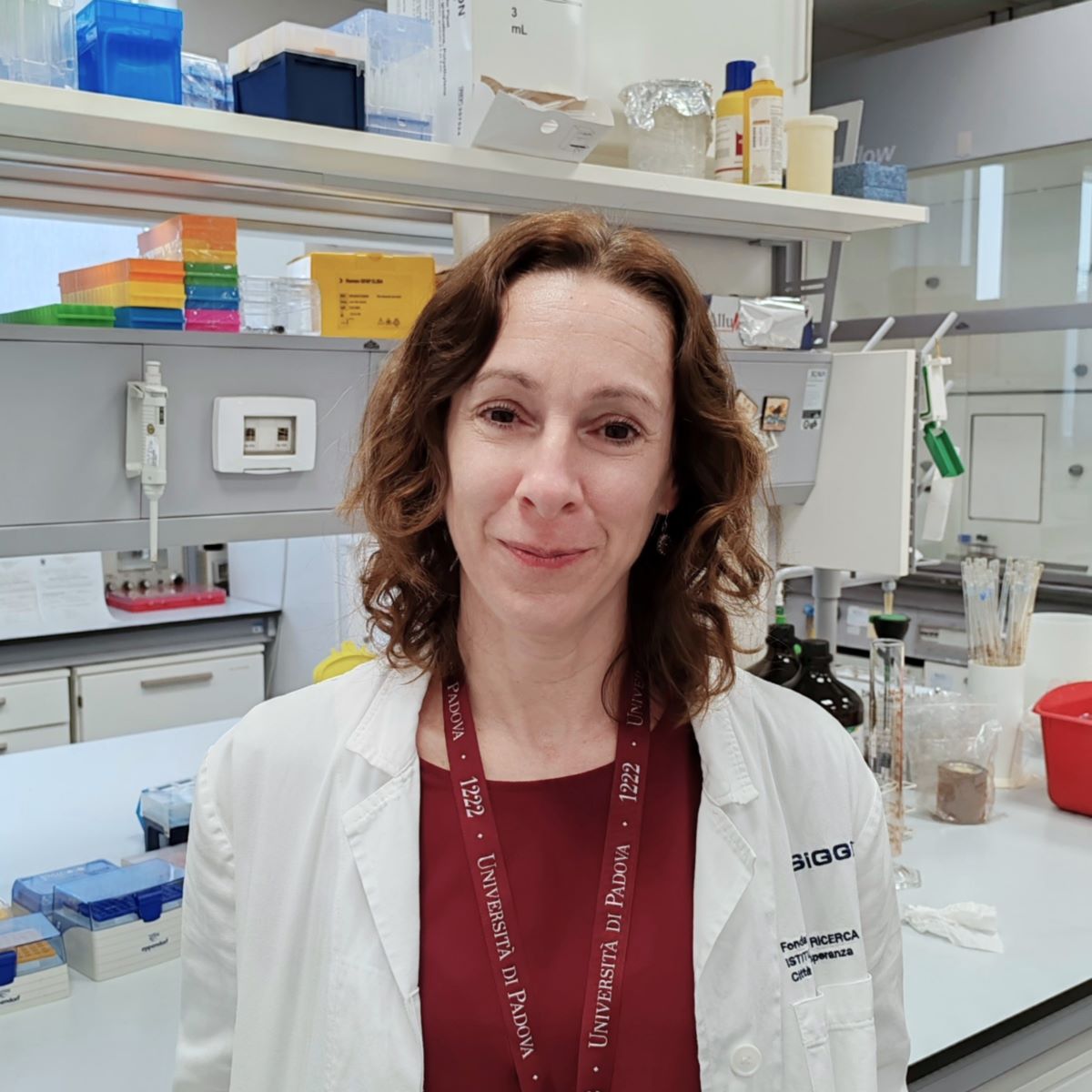
Dr. Manuela Simonato
Scopus ID 23006855200
I earned my Ph.D. in Medical Development (Curriculum: Predictive Medicine) from the University of Padova, Department of Women’s and Children’s Health, in 2008. During my doctoral studies, my research focused on the use of stable isotopes as tracers of in vivo metabolic pathways in infants. This is a powerful approach to investigate nutrient processing and metabolic alterations under various physiological and pathological conditions.
Currently, my research centers on understanding and preventing acute organ damage, particularly to the lungs and brain associated with cardiac surgery in infants with complex congenital heart diseases. My overarching goal is to contribute to the development of personalized therapeutic strategies aimed at mitigating the long-term effects of cardiopulmonary bypass in these vulnerable patients.
I have extensive expertise in advanced mass spectrometry techniques, including GC-MS, GC-IRMS, TC- EA/IRMS, and UHPLC-MS/MS. These methods are applied to the analysis of proteins, lipids, and peptides, with a particular emphasis on isotopic enrichment using ¹³C or deuterium tracers. My research is deeply rooted in bioanalytical methodologies, with a focus on designing and optimizing workflows that integrate both targeted and untargeted proteomic, metabolomic, and lipidomic approaches for comprehensive analysis of cells, tissues, and biological fluids.
In addition, I have broad experience with software tools for the identification of small molecules and proteins. I currently lead the Lipidomics Facility at the IRP Institute.
In 2023 I won as principal investigator the Cariparo Pediatria grant To date, I have authored 52 original scientific publications, including 10 as first or corresponding author, and hold an H-index of 16.